ByJohn A
What Is a Cold Wallet for Cryptocurrency?
A cold wallet for cryptocurrency keeps private keys offline, isolated from internet-connected devices. It separates computation from storage, so signing occurs in an air-gapped or offline environment. Keys reside on hardware, paper, or trusted devices, never exposed to online risks during storage. This approach contrasts with hot wallets, which remain online for quick access but increase attack surface. The choice of hardware, paper, or air-gapped methods hinges on risk tolerance and recovery needs, inviting careful evaluation of each option.
What Is a Cold Wallet vs. Hot Wallets
A cold wallet is a storage method for cryptocurrency keys that remains offline, in contrast to hot wallets that stay connected to the internet. The comparison emphasizes security posture, risk exposure, and operational philosophy.
Cold wallets enable disaster recovery planning and deliberate user onboarding, reducing attack surface while preserving autonomy, portability, and auditability within a trusted, offline infrastructure.
How Cold Wallets Work: Offline Storage, Keys, and Signing
How do cold wallets maintain security while enabling required cryptographic operations? They separate computation from storage, using offline storage to protect keys signing processes. Private material resides in hardware paper or air gapped options, never exposed online. Signing occurs within isolated environments, producing authentic, verifiable signatures while preserving user autonomy and cryptographic integrity.
Choosing a Cold Wallet: Hardware, Paper, or Air-Gapped Options
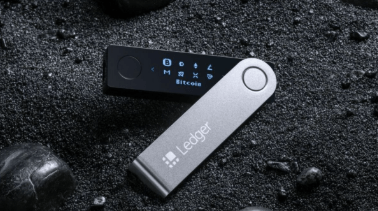
Choosing a cold wallet involves selecting among hardware, paper, and air-gapped solutions, each balancing convenience, cost, and risk. Hardware wallets offer robust cryptographic isolation but require trusted supply chains and firmware updates. Paper wallets present maximal privacy tradeoffs and fragile longevity. Air-gapped devices minimize online exposure yet complicate import/export processes and recovery. Selection prioritizes verifiable provenance and operational integrity.
Security Practices and Decision Criteria to Fit Your Crypto Strategy
Security practices and decision criteria align with the chosen cold-wallet approach by codifying controls that preserve confidentiality, integrity, and availability of private keys.
The analysis emphasizes minimizing security risk through formalized risk assessments, layered authentication, and secure key derivation.
A robust backup strategy paired with verifiable recovery tests ensures continuity, while policy-driven selection aligns hardware, paper, or air-gapped solutions with risk tolerance and autonomy.
See also: The Future of Cybersecurity Careers
Conclusion
In extreme terms, a cold wallet is the fortress wall guarding your crypto from digital sieges. With keys isolated offline, signing occurs behind a sterile curtain of air gaps and tamper-tested hardware, rendering online theft almost inconceivable. Its security posture scales with deliberate onboarding, rigorous backups, and disciplined recovery plans. While not infallible, the cold model dramatically reduces exposure, transforming cryptographic risk into a manageable, auditable process—an exquisite, nearly impregnable balance between accessibility and impenetrable guardianship.